35+ of the Best Free Teacher Appreciation Printables: Tag and Card Ideas to Make
A small kraft tag tied to a jar of mints with the words “Thanks a mint,” or a plant pot with a tag about helping little things grow: these are the printable ideas teachers tend to remember. Most follow a few simple patterns, and once you know them you can make a whole set yourself.
Below are the main types of teacher appreciation printables, with wording, layout and ways to use them, so you can design your own in any app or by hand.
What kinds of teacher appreciation printables are there?
Nearly every popular design pairs a pun with a small gift. The groups below cover most of what teachers receive.
- Food puns: “Thanks a mint” with candy mints, “You’re a smart cookie” with cookies, “Berry best teacher” with a basket of berries, and “Apple of our eye” with an apple or apple gift card holder.
- Plant and garden messages: “Teachers help small things grow” or a seedling theme, attached to a potted plant, seed packets or a small bouquet.
- Office and school supply puns: “Highlight of my year” on a highlighter, “Write direction” on a pen, “Stick to my goals” on sticky notes, and “Bright idea” on a light bulb or candle.
- Hand and heart themes: “Hands down, best teacher” with hand lotion or hand soap, and “Teacher touches a heart” with a heart-shaped treat.
- Bag and sports puns: “Tote-ally terrific” on a tote bag, and “Having a ball” with a ball or bouncy balls.
- Cards and quote prints: folded thank-you cards, short quote tags and chalkboard-style prints for framing.
How do you design your own tag?
Start with a size that suits the gift. A tag about 2 by 3.5 inches fits a jar neck or a bag handle, and a 4 by 6 inch card works for a note or a gift card holder.
- Choose a pun and keep it to one short line, with a small “Thank you” or “Happy Teacher Appreciation” line beneath.
- Pick two or three colors. Red and cream suit apples, pink and green suit berries and plants, and white lettering on black gives the chalkboard look.
- Pair one bold or script font for the headline with a plain font for the small text.
- Leave a blank line at the bottom for the child’s name and a handwritten message.
- Repeat the design several times on one letter-size sheet to save paper.
How do you print and attach them?
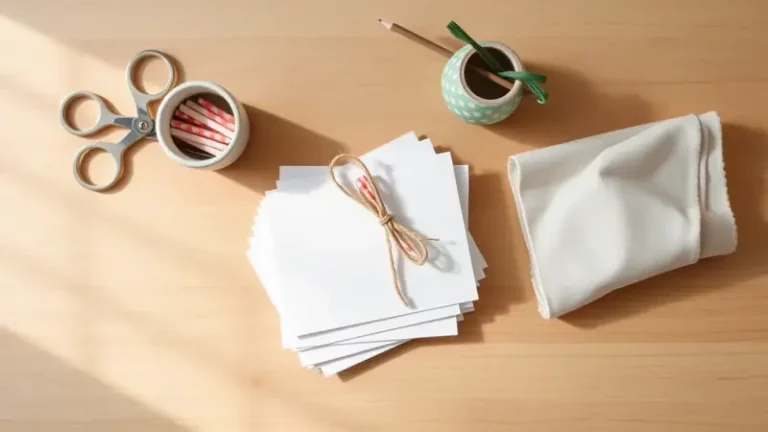
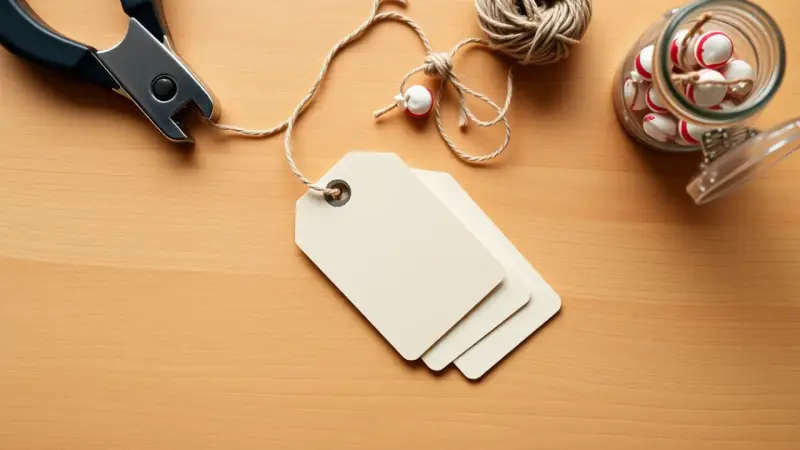
Use white cardstock for tags, since it stands up to string and handling. Plain paper works for cards that will be folded. Cut with scissors or a paper trimmer, and punch a hole in one corner with a hole punch.
Thread baker’s twine, ribbon or raffia through the hole and tie it around a jar neck, a pen, a bag handle or a pot rim. For flat items, a glue dot or a piece of double-sided tape does the job. If your tag is for a gift card, cut two slits in a card shape and slide the gift card through so it stays put.
Which gifts go best with a tag?
Pick a gift that matches the wording, and the tag will do much of the work for you.
- Mints, candy or cookies in a clear bag or small mason jar.
- A small potted plant or herb with a seed-themed tag.
- Pens, highlighters, sticky notes or a notepad bundled with a ribbon.
- Hand lotion or hand soap for the “hands down” idea.
- A gift card to a favorite coffee shop, bookstore or craft store tucked into a card or apple holder.
Can the class make them together?
Yes. A class gift works well with one shared card and a set of individual tags. Print the same tag in several sizes and let each child color or sign one, or have children write a short thank-you on the back. Collect the tags on a single ring or ribbon so the teacher gets a whole bundle of messages at once.
If you are making several gifts, work in an assembly line: cut all the tags, punch all the holes, then tie everything on at the end. Keep a few spares in case of a smudge or a crooked cut.
What should you write inside a card?
Specific beats fancy. Mention one thing the teacher did, such as helping with reading, making math fun or noticing a shy child, then add a plain thank you. Two or three sentences in the child’s own handwriting are usually the part a teacher keeps.